


Body corporate properties in New Zealand operate under a unique structure that requires specific understanding when conducting title searches. Whether you're buying an apartment, townhouse, or commercial unit, understanding how record of title works for body corporate properties is essential for making informed property decisions.
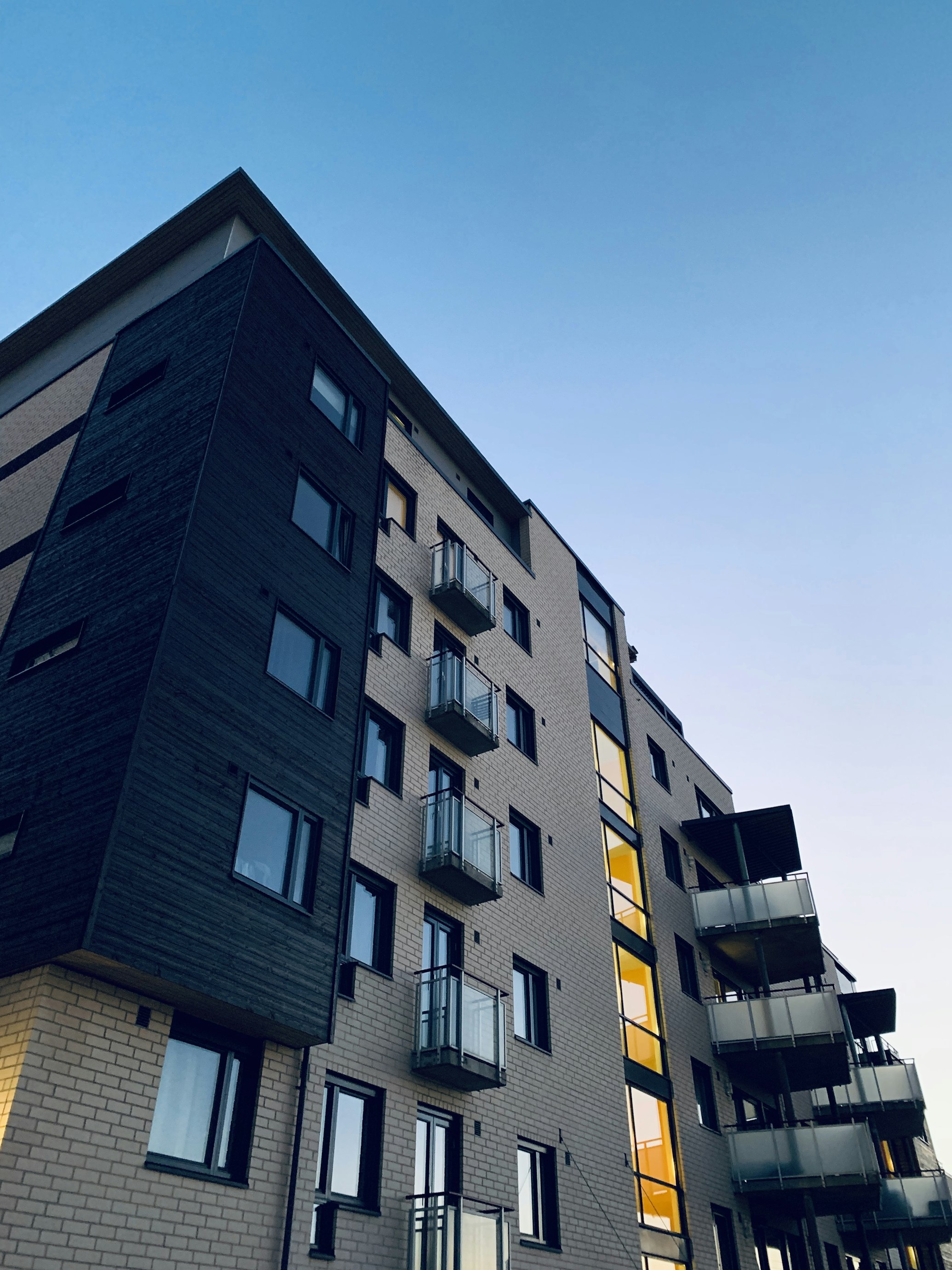
Understanding Body Corporate Properties in New Zealand
Body corporate properties are multi-unit developments where individual owners hold titles to their specific units while sharing ownership of common areas. This structure creates a complex ownership framework that requires careful examination of property records to understand rights, responsibilities, and restrictions.
What Makes Body Corporate Titles Different
Unlike standalone property titles, body corporate properties involve multiple interconnected records. Each unit has its own certificate of title, but these titles reference shared facilities, common areas, and collective obligations that affect every owner in the development.
🏠 Unit Title
Individual ownership of your specific apartment, townhouse, or commercial unit with exclusive rights and responsibilities.
⚖️ Common Property
Shared ownership of lobbies, gardens, driveways, and building structures with all other unit owners in the complex.
📋 Body Corporate Rules
Governance framework including bylaws, operational rules, and financial obligations that bind all owners.
Key Information Found in Body Corporate Title Records
When you order a record of title for a body corporate property, you'll receive comprehensive documentation that reveals critical details about both your specific unit and the broader development structure.
Understanding Unit Entitlements
Unit entitlement represents your proportional ownership interest in the common property and determines your share of body corporate levies, voting rights, and maintenance costs. This crucial figure appears on every body corporate title record.
💡 Good to know:
A larger unit typically has higher entitlement, meaning greater voting power but also higher levy obligations. Check the unit entitlement schedule in your title search to understand your proportional responsibilities.

Body Corporate Rules and Bylaws in Title Records
Body corporate rules registered on the title create binding obligations for all current and future owners. These rules cover everything from pet policies to renovation approvals, and understanding them is essential before making a purchase decision.
💰 Financial Rules
Levy payment schedules, special assessment procedures, and financial contribution requirements for maintenance and improvements.
🛡️ Use Restrictions
Limitations on commercial activities, short-term rentals, noise levels, and modifications to individual units.
📋 Governance Rules
Meeting procedures, committee powers, voting requirements, and dispute resolution processes.
Common Covenants in Body Corporate Developments
Covenants registered on body corporate titles often address shared responsibilities and maintain property values across the development. These legal obligations run with the land and bind all future owners.
Financial Information in Body Corporate Title Searches
Understanding the financial aspects revealed in body corporate title records is crucial for budgeting and assessing the long-term viability of your property investment. These records show both individual unit obligations and collective development debts.
Individual Unit Charges and Mortgages
Your title record will show any mortgages, charges, or liens registered against your specific unit. These individual obligations are separate from collective body corporate debts but equally important for understanding your financial position.
Collective Development Obligations
Some body corporate developments carry collective mortgages or charges that affect the entire complex. While these don't directly charge your individual unit, they can impact the body corporate's financial stability and future levy requirements.
- 🚩 Multiple Mortgages — Complex financing arrangements that may indicate financial stress
- 🚩 Unpaid Levy Charges — Outstanding body corporate debts that could become your responsibility
- 🚩 Caveat Registrations — Disputes or claims that may complicate ownership or sale
🔍 Get Your Body Corporate Title Search
Official NZ records for apartments, townhouses & commercial units
Order Your Search →
Body Corporate Title Search Pricing and Services
Understanding the different types of title searches available for body corporate properties helps you choose the right service for your specific needs, whether you're buying, selling, or investigating property details.
Which Search Type for Body Corporate Properties?
For body corporate properties, we typically recommend starting with a Record of Title with Diagram to understand the basic ownership structure, boundaries, and current registered interests. If you're purchasing or need additional detail about specific covenants or rules, consider adding the Instruments search to access supporting documents.
- ☐ Check unit entitlement percentage for levy calculations
- ☐ Review body corporate rules and use restrictions
- ☐ Verify common property boundaries and rights
- ☐ Examine all registered mortgages and charges
- ☐ Understand covenant obligations and restrictions
Frequently Asked Questions
Certificate of Title NZ is an independent service providing property title searches from New Zealand's official land registry.